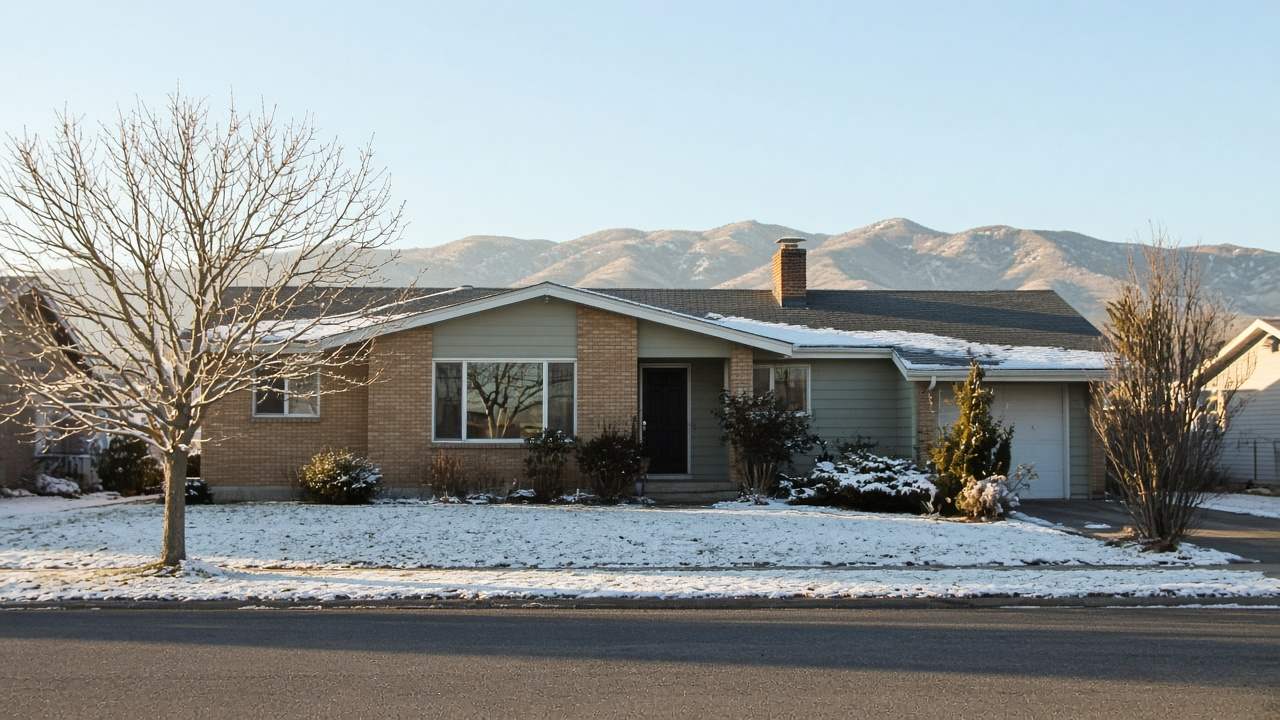
Boise & Treasure Valley
Water damage restoration in Boise
Found water where it should not be? Shut off the water, stay clear of anything electrical, and take photos before you clean up. Then get the water removed and drying started within a day or two, the window EPA guidance links to preventing mold.
Water Damage Boise is an independent local guide, not a restoration company. When you want hands-on help, we can connect you with a local restoration partner.
What to do in the first hour
1. Stop the water
Close the fixture valve or the main shutoff. Know where yours is: basement, crawl space, garage, or a curb box.
2. Make it safe
Do not walk through water near outlets or the panel. Cut power from a dry spot, or stay out and call for help.
3. Document
Photos and video of the source and damage, before cleanup. Keep damaged items until your insurer says otherwise.
4. Start drying
Extract standing water and dry within 24 to 48 hours. Sewage or floodwater needs professional cleanup.
Boise water damage guides
Each guide covers one situation: what to do now, what happens next, Treasure Valley causes, sourced cost ranges, and common questions.
- Emergency water removalStanding water, active leaks, and the first 24–48 hours of drying.
- Burst & frozen pipesWinter pipe failures, shutoff steps, and what drying involves.
- Basement floodingWater in basements and crawl spaces from inside or outside the house.
- Sewage backup cleanupCategory 3 water, safety first, and who owns the sewer line.
- Mold remediationWhen mold follows a leak, what is DIY-sized, and when to call a pro.
- Ceiling water damageStains, sagging drywall, and finding the leak above.
- Water damage cost in BoisePublished cost ranges, what drives price, and how to read a quote.
- Insurance claims in IdahoHow homeowners policies typically treat water damage.
Why water damage looks different in the Treasure Valley
Most household water damage starts inside: a supply line, a water heater, an appliance hose. But Boise’s seasons shape when and where it happens.
- Freeze-thaw winters. NWS Boise climate data shows frequent winter nights below freezing and occasional cold snaps, which can split pipes in crawl spaces, garages, and exterior walls; the leak often appears when the pipe thaws. Burst and frozen pipes.
- Snowmelt and foothill runoff. Rapid melt or a spring storm on frozen ground can send surface water toward foundations and window wells, especially for homes near the Boise Foothills. Basement flooding.
- Irrigation and sprinklers. Pressurized irrigation and automatic sprinklers water many lots during the City of Boise irrigation season, roughly mid-April to mid-October; a broken head or line can saturate soil next to the house.
- Basements and crawl spaces. The lowest parts of the house collect water from every direction and are the slowest to dry.
- Older homes and aging supply lines. North End, East End, and Bench homes are commonly older and may have galvanized supply pipe or clay or cast-iron sewer laterals; newer subdivisions have their own aging appliance hoses and plastic lines.
- Higher local restoration pricing. Angi’s 2026 city table lists Boise at $7,775 to $13,000, averaging $10,387 — well above the national average of $3,874. See the sourced cost guide.
How this site works
- Read the guide for your situation. Everything here is free and does not require contact details.
- If you want help, call or send the short form. Your request goes to a local restoration partner, an independent restoration business.
- The partner contacts you, looks at the damage, and gives you their own estimate. You decide whether to hire them. You can always get other quotes.
More detail: how it works, about this site, and our editorial policy.
Area covered
These guides are written for homeowners in Boise and nearby Treasure Valley communities: Meridian, Nampa, Caldwell, Eagle, Kuna, Star, Garden City, and surrounding parts of Ada and Canyon counties. Whether a partner can reach a specific address depends on the partner; they will tell you if they cannot.
Frequently asked questions
What should I do first when I find water damage?
Stop the water at the fixture or main shutoff, keep away from water near outlets or the electrical panel, and photograph the damage before cleanup. Then get standing water removed and drying started; EPA guidance says materials dried within 24 to 48 hours usually do not grow mold.
Is this site a water damage restoration company?
No. Water Damage Boise is an independent local resource. We do not extract water, dry homes, or remediate mold. If you ask for help, your request goes to a local restoration partner, an independent business, and we may be paid for the referral.
How much does water damage restoration cost in Boise?
Angi’s 2026 national data lists most jobs at $1,385 to $6,381, and its city table lists Boise well above that national average. The real number depends on square footage, water category, materials, and how long water sat. See our Boise cost guide for sourced ranges.
Will homeowners insurance cover it?
Sudden, accidental water from plumbing or appliances is commonly covered. Flood, groundwater, gradual leaks, and sewer backup are often excluded unless you bought extra coverage. Our Idaho insurance guide walks through the claim steps the Idaho Department of Insurance recommends.
What parts of the Treasure Valley does this guide cover?
Boise and nearby communities including Meridian, Nampa, Caldwell, Eagle, Kuna, Star, Garden City. Partner availability can vary by address; the partner will tell you if they cannot serve your location.
When is water damage an emergency?
Treat it as urgent when water is still flowing, standing water is near electricity, sewage is involved, a ceiling is sagging, or materials have been wet for more than a day. If there is any risk of electrical shock, gas, or structural collapse, leave and call 911.
Ready to talk to someone local?
No pressure and no obligation. Ask a local restoration partner to look at the damage and explain your options, or keep reading the guides first.